Compression bends wool and cashmere yarns past their elastic limit and creates permanent dimples and shine, humidity breaks keratin bonds through hydrolysis and oxidation, and moth larvae digest protein fibers coated in skin oils and sweat residues. Those mechanisms show up as flat shiny panels that will not spring back, a brittle weakened hand, and isolated holes that become tears months later. This happens because wool and cashmere are hygroscopic protein fibers that keep reacting off the hanger.
The trade-off is that the most intuitive protection – vacuum sealing in plastic or stacking heavy – creates conditions that accelerate failure, while breathable methods feel less safe. A folded cashmere coat and a folded wool one split consistently: cashmere at 14-16 microns with low crimp collapses at the folds while wool at 20-25 microns recovers, since fiber diameter and crimp reserve dictate recovery. Here is what each threat does inside the fiber and which storage method harms more than moths.
Why natural protein fibers fail in storage
Wool and cashmere are keratin alpha-helix protein held by peptide bonds lengthwise and disulfide cross-links. Two slow chemistries break them: oxidation attacks disulfide bonds with heat, light, pollutants; hydrolysis cleaves peptide bonds when excess moisture sits in core. Both are invisible for months, then coat tears at shoulder, pills aggressively, feels dry and brittle.
They are hygroscopic – absorb up to 30% weight in water without feeling wet. Closet climate lives inside yarn. Trace sweat locks salts, urea, lactic acid, fatty acids – mildly acidic and hygroscopic, attracting more moisture and attacking keratin inside sealed bag. That is why freshly cleaned coat outlasts looks-clean coat by years.
Optimal climate 10-20°C at 50-60% RH
Conservation labs target 10-20°C and 50-60% RH. Below 40% RH, keratin loses bound water, fibers stiffen and crack at folds. Above 65% RH, hydrolysis accelerates, mold germinates, fibers swell and stay stretched. Above 22°C, reaction rates double. Attics in July and damp basements in August age cashmere fastest. Cool dark interior closet with airflow replicates museum storage.
Compression damage: how folding and vacuum bags create permanent dimples
Folding or vacuum sealing bends weft yarns past elastic limit. Yarns have elastic region (bounce back) and plastic region (permanent set). Tailored wool coating is lightly fulled for stability. Press flat under weight or vacuum flat 5-7 months, bend becomes set. Shiny tramlines on lapel and sunken shoulder ridges are fiber memory loss, not wrinkles. Steam relaxes surface slightly but cannot recreate crimp.
Vacuum plastic combines three harms: maximum compression, zero airflow, condensation pooling as temperature fluctuates. Hydrolysis plus creasing simultaneously. Use broad rounded suit hanger matching shoulder point to point, or fold knit coats with acid-free tissue rolls inside folds to increase bend radius. Breathable cotton bags diffuse humidity and prevent dust abrasion.
Why cashmere 14-16 micron is more vulnerable than wool 20-25
Cashmere thinner, less keratin per cross-section, low natural crimp versus wool pronounced 3D crimp. Crimp is mechanical spring pushing yarns open after compression. Cashmere relies on soft twist, not crimp, so stays flat. Wool folded 4 months may recover with 24h hanging and steaming. Cashmere in same pile retains dull felted line where nap crushed permanently.
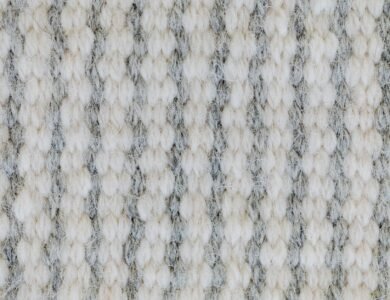
Magnified comparison showing wool high crimp recovery versus cashmere low crimp permanent set.
Humidity and heat: the invisible rot
At sustained 70%+ RH, water cleaves peptide bonds, tensile strength drops 15-30% in one off-season. Oxidation yellows light cashmere and weakens dark wool. Mold >65% RH and >20°C digests lanolin residues then keratin, leaving musty odor that needs harsh cleaning, further stressing fiber. Below 40% RH, cuticle scales lift and interlock, causing felting and scratchy hand. Sweet spot 50-60% RH maintains bound water, flexibility, near-zero hydrolysis and mold. Cool 10-20°C slows oxidation.
| Condition | Safe | Danger | Keratin Impact |
|---|---|---|---|
| Temperature | 10-20°C | >25°C attic / <5°C unheated flexed | Heat accelerates oxidation |
| Humidity | 50-60% RH | >65% moist / <40% dry | High = hydrolysis + mold, Low = brittleness |
| Compression | Shape hanger + cotton bag | Vacuum seal / tight stack | Weft bent past elastic = permanent |
| Cleanliness | Cleaned, no perfume | Worn, invisible salts | Residues attract larvae + chemical attack |
Humidity spectrum showing dry-brittle below 40%, safe 50-60%, rot risk above 65% RH.
Moth exposure is not random: body oils are the invitation
Clothes moths Tineola bisselliella: adults do not eat. Larvae digest keratin with gut bacteria that needs skin oils, sweat lipids, food soils to soften it. Larvae seek sebum, perspiration salts, deodorant. Clean wool nibbled slowly; collar with neck oils or underarms with sweat is high-protein buffet. Damage appears at collars, cuffs, underarms, hem drags. Early feeding shaves nap creating thin shiny patches that look like wear, next season holes. If one hole, inspect entire coat under side light – usually 5-10 grazed spots nearby.
Prevention: always clean before storage, even if looks clean. Store in breathable cotton, not airtight plastic that traps humidity and residues. Use cedar blocks or lavender as deterrent, not killer – they mask odor but do not kill larvae. Replace every 6 months as volatiles evaporate. Vacuum closet, wash shelves, freeze 72h if infestation suspected to kill eggs.
Off-season storage system that preserves shape and fiber
Deliverable: 1) Dry clean or hand wash wool with pH-neutral wool wash, air dry flat. 2) Brush with soft garment brush to lift dust and restore nap direction. 3) Choose: tailored coats on broad rounded hanger matching shoulder width, stuffed sleeves with acid-free tissue, covered in breathable cotton bag. Knit coats folded with tissue rolls inside folds to increase bend radius, never vacuum. 4) Place cedar block, not mothball. 5) Store in cool dark interior closet 10-20°C, 50-60% RH, not attic/basement. 6) Check mid-season, refold along different lines to avoid set. This system avoids all three mechanisms simultaneously.
Frequently Asked Questions
Can vacuum bags ever be safe for wool?
No for tailored coats and cashmere. Short-term travel maybe, but 5-7 months vacuum creates permanent crease plus trapped humidity causing hydrolysis. Use cotton bags.
What temperature is too hot for storage?
Above 22-25°C accelerates oxidation. Attics hit 35°C+ in summer, doubling reaction rates. Keep under 20°C.
Does dry cleaning damage wool?
Occasional dry cleaning before storage is protective because it removes larvae-attracting residues. Frequent dry cleaning can strip natural oils, so once per season before storage is ideal, not after every wear.
How to tell moth damage early?
Look for thin shiny patches where nap shaved, not just holes. Hold coat to side light – grazed areas reflect differently. Vacuum and freeze if found.